Enhance Your Exterior Areas Via Specialized Landscaping Services: From Landscape Planning to Hardscape Solutions
Transforming an outdoor space requires a thoughtful approach to both landscape design and hardscape solutions. Specialists in this field understand the complexities of combining aesthetic appeal with functionality. By incorporating elements like strategic plant selection and durable materials, they create environments that serve various purposes. This transformation not only increases property value but also elevates the overall experience of outdoor living. Discover what makes these services vital for any homeowner looking to transform their surroundings.
Why Professional Landscape Design Matters
Though many homeowners could underestimate the impact of professional landscape design, it plays a crucial role in improving both the aesthetic appeal and functionality of outdoor spaces. By utilizing skilled designers, homeowners can create outdoor environments that showcase their personal style while maximizing the utility of their property. Professional landscape design incorporates elements such as plant selection, layout, and seasonal considerations, making certain that the outdoor space remains dynamic and usable throughout the year.
Moreover, well-planned landscapes can increase property value and create appealing atmospheres for get-togethers, recreation, and relaxation. Designers consider factors such as sunlight, soil quality, and climate to develop sustainable solutions that thrive in specific conditions. By integrating natural features and architectural elements, professional landscape design transforms common yards into unified, complementary spaces that enrich the overall experience of homeownership. In conclusion, investing in professional landscape design delivers a range of benefits that reach beyond mere visual appeal.
Important Features of Hardscape Designs
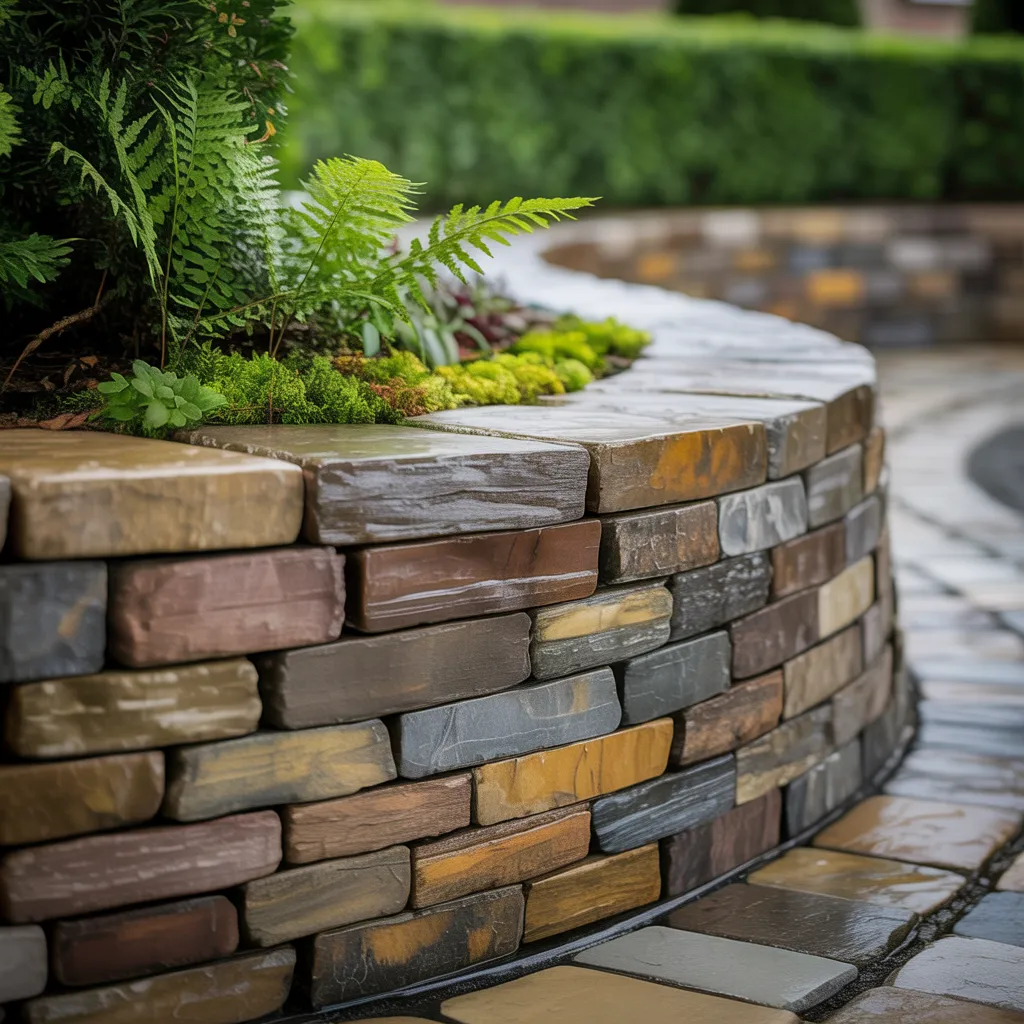
Hardscape solutions form the backbone of any well-designed outdoor space, providing structure and functionality alongside natural elements. Essential features encompass patios, walkways, support walls, and outdoor kitchen spaces, which collectively boost practicality while providing visual interest. Patios serve as gathering spaces, allowing for leisure and entertainment, while walkways guide visitors through the landscape, creating defined pathways. Support walls both control earth displacement and establish multi-level planting areas, bringing dimensional interest to the layout. Additionally, substances like natural stone, masonry, and pavers deliver lasting quality and stylistic options, permitting residents to tailor their outdoor settings. Incorporating elements like fire pits and water features can additionally enhance the ambiance and create focal points. All together, carefully designed hardscaping features add to the usefulness and attractiveness of exterior areas, guaranteeing they remain both serviceable and aesthetically compelling.
Building a Efficient Outdoor Living Space
To develop a functional outdoor living space, meticulous planning and considerate design are necessary. Homeowners should start by evaluating their available zone, considering factors such as dimensions, configuration, and current elements. Setting a clear purpose for the space—whether for dining, entertaining, or relaxation—shapes the layout and furnishings. Integrating distinct zones, such as lounge areas, food preparation zones, and recreational spaces, enhances utility and traffic patterns.
Additionally, picking durable materials for furniture and surfaces is essential, ensuring longevity against weather elements. Adequate lighting can transform the atmosphere, supplying both safety and ambiance after sunset. Additionally, integrating elements like fire pits or outdoor kitchens provides functionality and encourages year-round use. Strategic design should also include pathways and access points, ensuring ease of movement throughout the space. By merging aesthetics with practicality, homeowners can create an inviting outdoor environment tailored to their lifestyle and needs.
Choosing the Ideal Plants for Your Climate
Selecting the right plants for a specific climate is essential for a thriving outdoor landscape, as it guarantees both health and sustainability. Different climates, whether arid, temperate, or tropical, present distinct challenges and opportunities for plant selection. Native plants often perform best, as they have adapted to local conditions and require less maintenance. For example, drought-resistant succulents are ideal for dry regions, while vibrant flowering plants may flourish in more humid environments.
Moreover, grasping seasonal variations, like frost dates and rainfall patterns, can assist homeowners identify plants that will prosper throughout the year. Seeking advice from local gardening resources or landscape professionals can offer valuable insights into the best species for a given area. Finally, selecting climate-appropriate plants not only improves the aesthetic appeal of the outdoor space but also fosters biodiversity and environmental health, contributing to a sustainable landscape design.
Care Tips for an Attractive Landscape
A professionally crafted landscape demands consistent maintenance to sustain its attractiveness and wellness, regardless of the plants chosen for the specific climate. Routine care is crucial for sustaining the visual appeal and practical elements of any exterior area. This comprises everyday duties such as mowing, pruning, and deadheading to keep flora thriving and attractive. In addition, appropriate irrigation methods must be utilized, factoring in seasonal transitions and flora necessities to eliminate improper hydration practices.
Using mulch can preserve soil moisture and reduce weed growth, begin now creating a more visually appealing outdoor space. Regular fertilization at suitable times delivers vital nutrients, while pest and disease control maintains plant resilience. Regular seasonal maintenance, such as removing leaves and clearing debris, improves landscape aesthetics and avoids possible problems. Through consistent application of these maintenance strategies, property owners can experience a vibrant outdoor space that consistently impresses across all seasons.
Frequently Asked Questions
What Is the Timeline for a Standard Landscaping Project?
An average landscaping project can take anywhere from a few days to several weeks, according to the extent of work, design complexity, and weather conditions, delivering a meticulous and acceptable completion for the client.
What Does Professional Landscaping Typically Cost?
Average costs of professional landscaping services varies widely, typically ranging from $1,500 to $5,000 for standard projects. Variables impacting price include how complex the project is, materials used, and local labor rates, affecting overall expenses substantially.
Do Landscaping Services Operate Year-Round or During Specific Seasons?
Throughout the year, landscaping services are normally available, even though particular offerings may be influenced by seasonal factors. To meet seasonal changes, many companies modify their services, providing maintenance, design, and installation adapted to each season's needs.
Will Landscaping Companies Guarantee Their Work with Warranties?
Most landscaping businesses offer warranties on their work, providing quality and customer satisfaction. The specific details of these warranties can range, including length and coverage, so clients are urged to ask for detailed information before hiring.
Is It Possible to Incorporate Current Features Into My New Landscape Design?
Yes, existing features can be incorporated into new landscape designs. A proficient designer examines current features, ensuring they harmonize with new additions, improving complete visual appeal and practicality while minimizing unnecessary removal or alteration of established structures.